
Movement is Life
Movement is how you look after the body you live in, not how you pay for what you ate.
You won’t find punishing workouts, calorie-burn targets or “earn your dinner” thinking on this page. Movement is one of the most useful things you can do for your heart, your mood, your energy, your sleep and your long-term health. It also helps with weight loss, just not in the way most of us were taught.
Here is why we should move, what your body is built to do, and how to build a way of moving that you can keep doing for decades.
Movement can be many things


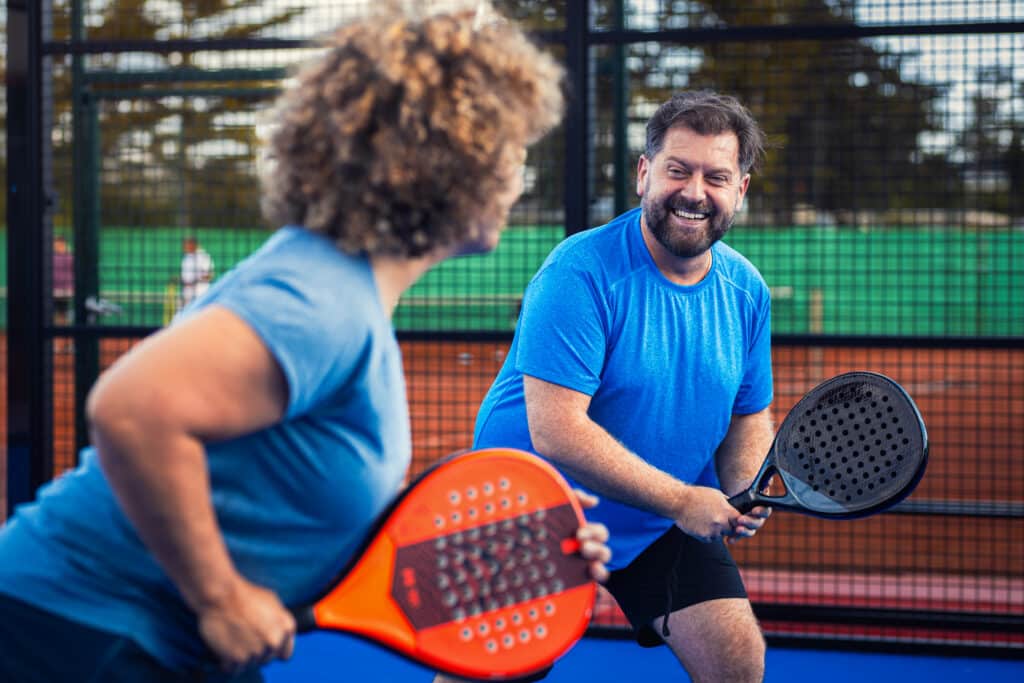
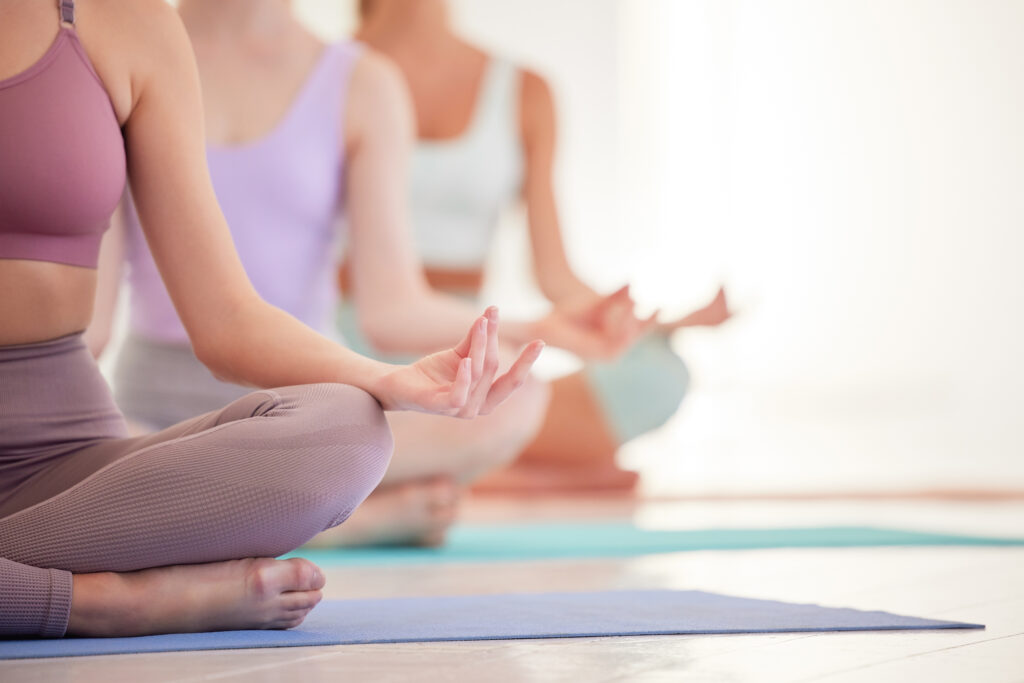
It supports weight loss and, even more, weight maintenance.
Exercise supports weight regulation and body composition by improving how your key organs handle energy, hormones and appetite.
- Skeletal muscle: clears glucose and fatty acids from the bloodstream, uses more energy, and releases myokines that switch on fat-burning pathways.
- Liver: increases its mitochondrial density, which helps it filter blood, process fats and reduce harmful fat stored inside it.
- Endocrine system: improves insulin sensitivity, steadies blood glucose and supports healthy levels of hormones like leptin, ghrelin and thyroid hormones.
- Brain: helps regulate appetite signals and reward pathways, which can ease compulsive food cravings, and releases brain-derived neurotrophic factor (BDNF) to lower neuroinflammation.
- Fat tissue: shifts from simply storing energy to burning it, and releases beneficial signalling molecules.
- Body composition vs. the scales: exercise often improves your health, reduces abdominal fat and builds lean muscle, even when the scales only move modestly.
- How much: guidelines recommend at least 150 minutes of moderate aerobic activity a week for general health. Programs aimed at clinically significant fat loss often involve 225 to 300 minutes or more.
- High-intensity intervals: HIIT can reduce visceral and total abdominal fat as well as, or better than, steady moderate exercise, in less time.
Variety in your movement
Each type of movement does a different job, and together they cover your heart, your muscles and the way you move through daily life.
Cardio
- Benefits: strengthens your heart and lungs, lowers the risk of heart disease, type 2 diabetes and stroke, lifts your mood and sleep, builds stamina and supports a healthy weight over time.
- Examples: brisk walking, swimming, cycling, dancing, hiking, stair climbing.
Strength
- Benefits: keeps muscle while you lose fat, which protects your strength and metabolism. It also supports bone density, improves blood sugar control and makes daily tasks easier.
- Examples: squats, sit-to-stands, wall push-ups, resistance bands, dumbbells, gardening, carrying groceries.
Balance and flexibility
- Benefits: keep your joints moving comfortably, ease stiffness from sitting, and reduce your risk of falls and injury. They also improve coordination and help your body recover.
- Examples: gentle stretching, yoga, tai chi, standing on one leg while brushing your teeth, heel-to-toe walking, Pilates.
service standards
The scope of practice also outlines measures to ensure good practice in customer service. This includes keeping accurate records (securely), providing quality care, outlining complaint processes, providing appropriate contracts, and accurate advertising.
It is also important that each client receive a consistent standard of care. Workplace guidelines support the adherence to standards that support trust in the service being provided.
find your joy
Movement needn't be a chore
Many of us learned to see exercise as a chore, a punishment or a debt to repay. If that is your history, it makes sense that movement feels like something to get through. You are allowed to start again and make it something that feels good in your body and fits your life.
How to find your joy
Try asking yourself:
- What did I love doing as a kid, before movement became about how I looked?
- Do I like being outdoors or indoors? Alone, with a friend or in a group?
- Do I prefer music, podcasts, nature sounds or silence?
- Do I like structure and a class, or freedom to wander?
- What makes me lose track of time?
Ideas to get you started
- Dancing around the house with the music up loud
- Walking with a friend and a coffee
- Swimming at the beach or the local pool
- Playing in the park or backyard with kids or grandkids
- Gardening, which is strength, flexibility and fresh air in one
- Exploring a new suburb or trail on foot
- Joining a social group, like walking, paddling, rowing or social sport
- Trying a class: dance, yoga, Pilates, boxing, rock climbing, circus
- Walking the dog, or borrowing a neighbour’s
- Putting on an audiobook that you only allow yourself to listen to while you walk
Tips for keeping it joyful
- Stay curious. Treat it as an experiment. If you don’t enjoy something, you’ve learned something, so try the next thing.
- Make it social if that lifts you. A walking friend makes it easier to turn up.
- Make it pleasant. Good music, a comfortable pair of shoes, a beautiful route.
- Keep it kind. Stop judging how you look, how fast you are or how you compare to anyone else.
- Notice how you feel afterwards. Energy, calm, pride and a better mood are the real rewards. Let them be the reason you come back.
- Let it change. What you love at 30 may differ at 45 or 65. Your movement can grow up with you.
If movement has felt hard or loaded for you, that is something we can work through together. You don’t have to fix your relationship with exercise alone.
Build your habit
Small movement done every day beats big workouts done now and then.
Your body responds to what you do regularly. A 10-minute walk every day will do more for you over a year than an intense week followed by a month of guilt and rest. Consistency builds fitness, keeps your mood steady and turns movement into something you do without negotiating with yourself.
Make it so easy you can’t say no
- Start smaller than feels useful. Five minutes counts. If you’d do it on your worst day, it’s the right size.
- Attach it to something you already do. Stretch while the coffee brews. Walk after lunch. Do a few squats while you clean your teeth.
- Decide when and where in advance. “After I drop the kids at school, I walk the block” beats “I’ll fit it in sometime.”
- Make it visible and easy. Leave your shoes by the door, your mat out on the floor, your band on the couch.
- Track the habit, not the outcome. A tick on the calendar for showing up is the win. Distance, pace and weight can be left out of it.
- Expect off days and plan for them. Missing a day is normal. The rule is simply never miss twice.